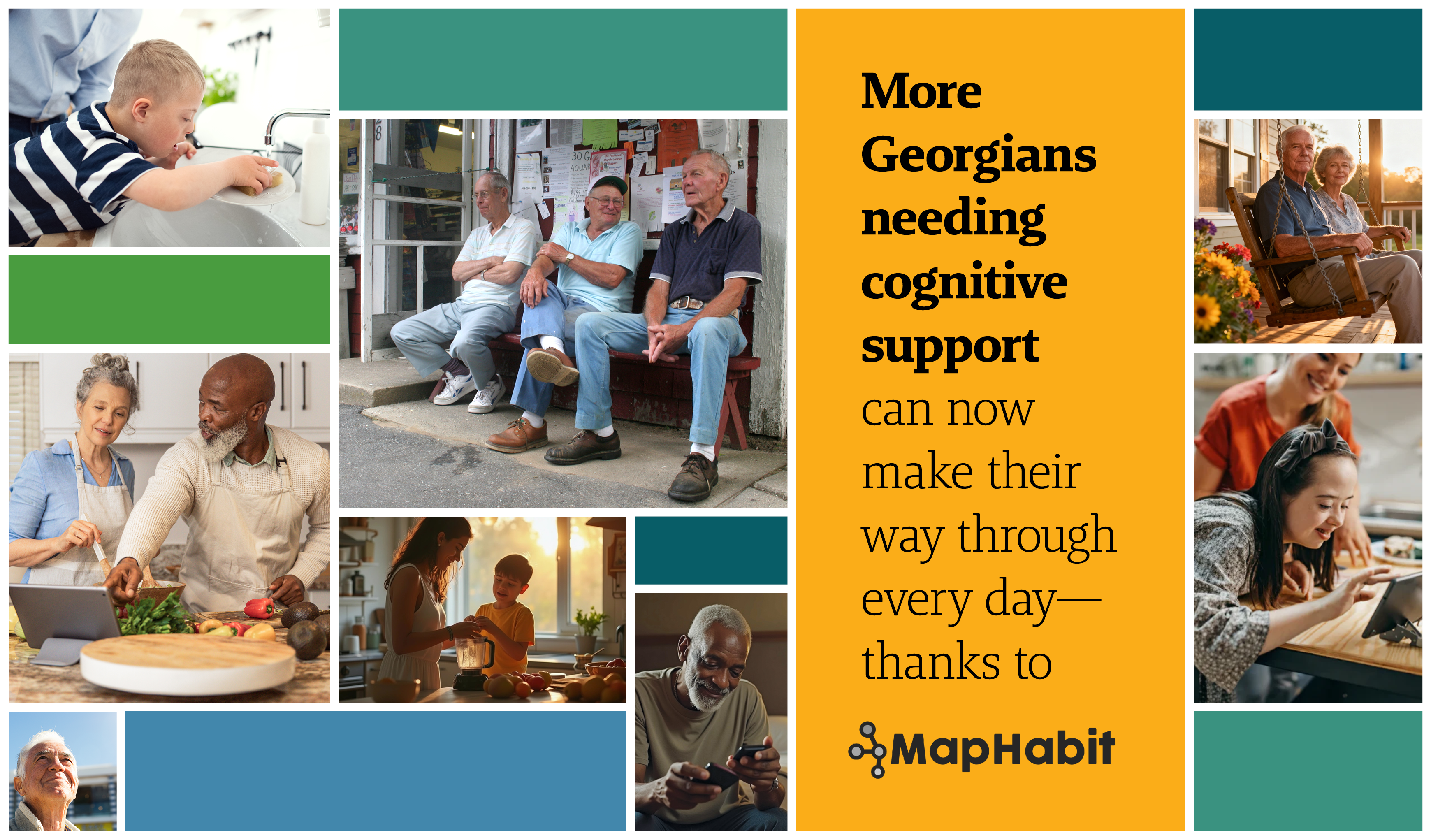

They may have Down’s Syndrome. Or autism. Or other intellectual / developmental disabilities.
Or they may suffer from dementia or a traumatic brain injury.
These cognitive deficits make navigating every day really challenging — for them and their caregivers.
But GRA-backed startup MapHabit has an answer to this challenge: A system that taps muscle memory in the brain to activate daily routines and promote independence.
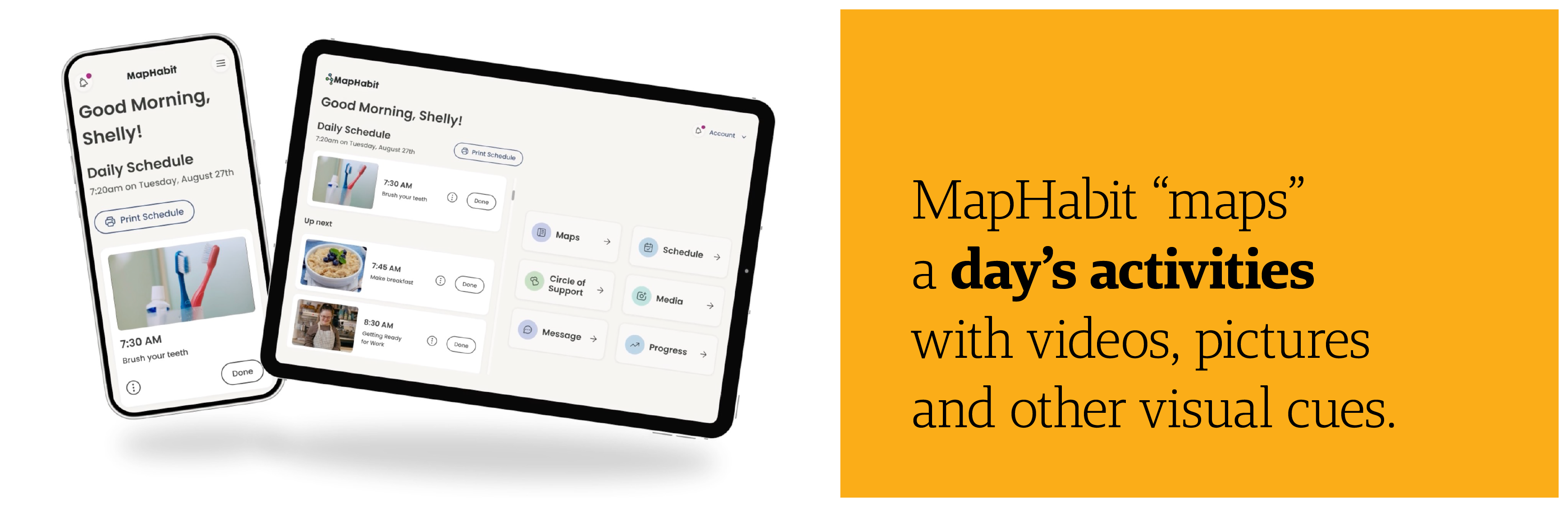
MapHabit is an app (or printed resource) offering visual cues for everyday activities. These personalized “maps” help users learn or remember steps to complete a task.
As of early 2026, more than 3,000 people were using MapHabit to help them…
shower or brush teeth
make lunch to take to work or school
clean up a room or take out the trash
and do so many other things they could not do before
with little or no help at all.

Over a storied career, Emory scientist and administrator Stuart Zola made landmark discoveries that clarified how the brain stores memory.
One of these: In people with cognitive impairments, procedural memory — for routines and habits — persists far longer than declarative memory (like recalling facts and events).
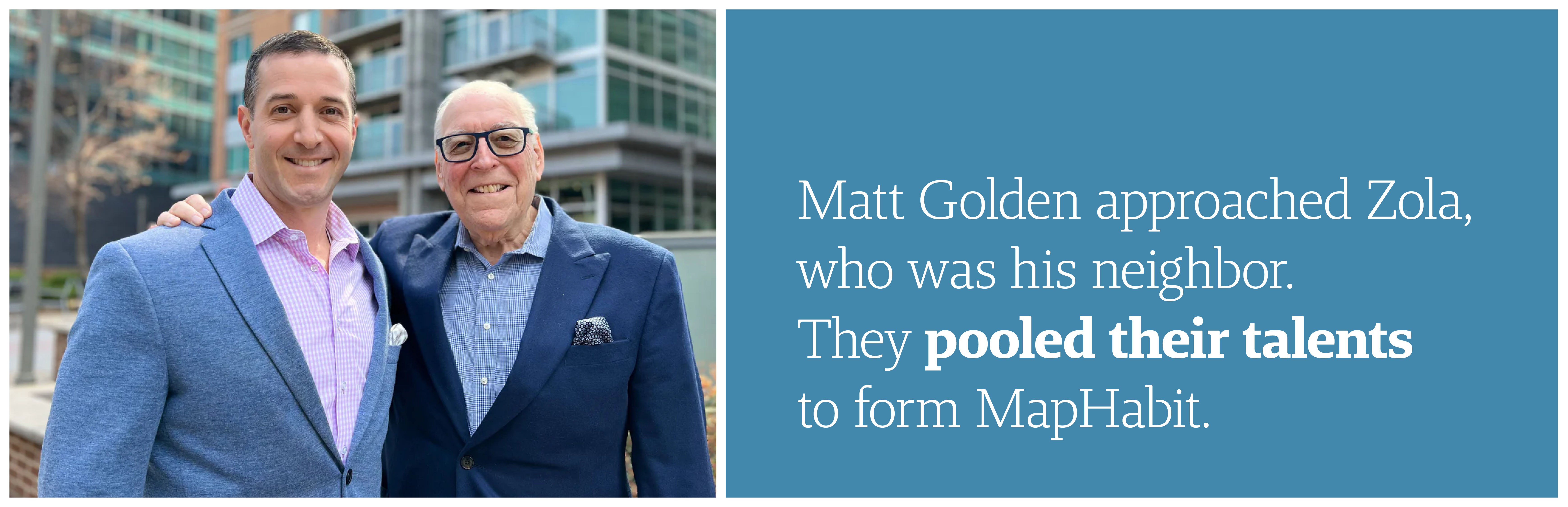
And Emory business graduate Matt Golden (’01) was a success in the world of finance, IT and entrepreneurship. Stuart Zola was a neighbor, and Golden was familiar with his research.
(Golden had seen a beloved uncle struggle with dementia. So he decided to strike up a conversation with Zola. He asked: Could they combine their talents in a way to help such people in cognitive decline?)
Zola’s answer: Absolutely.
This was in 2018.

The following year, GRA awarded the team a grant to test and validate the MapHabit platform. Over time, the platform expanded into a robust system that also served people with traumtic brain injury or developmental disabilities.
For Georgians in rural areas – where travel to occupational or behavioral therapy can take hours – MapHabit makes a tremendous difference.
As an enabling technology, MapHabit qualifies as a healthcare expenditure under Medicaid. Thus, waivers in Georgia and 14 other states put MapHabit in the hands of those who otherwise would struggle to afford it. Several major insurers also cover it.

Best of all: MapHabit serves as a technological bridge:
giving overworked, highly stressed caregivers much-needed respite and relief;
giving people needing cognitive support the means to tap mental muscle memory ...and live with greater independence.
From 2019 to 2024, GRA awarded four Innovation & Entrepreneurship grants to help MapHabit reach critical milestones in moving the technology to market.