
Some of the world’s most accomplished scientists are recruited to Georgia through GRA. They hold endowed chairs at the state’s public and private universities as GRA Eminent Scholars and Distinguished Investigators.
Collectively, this group constitutes the GRA Academy, and they convene each fall for a day of collegiality and knowledge exchange. Joining them are GRA Senior Fellows, who lead major research enterprises, and GRA Senior Advisors, who provide expert guidance to those seeking to bring innovations to market.
After culling through our notes from this year’s convocation of the GRA Academy (held Nov. 14 at Zoo Atlanta), we identified the following “10 takeaways” from scholarly presentations and panel discussions:
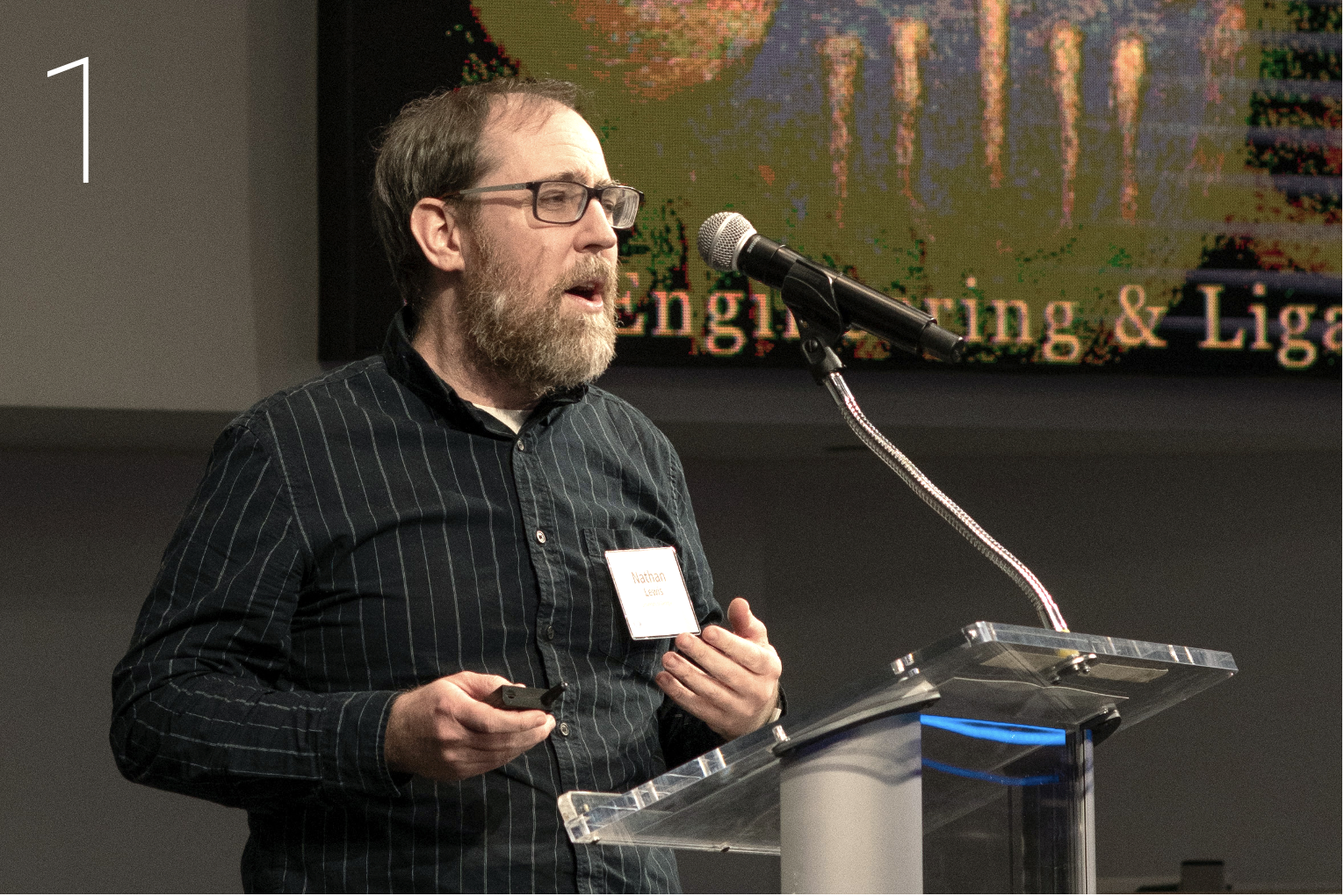
Some of their important signals can be picked up by studying the protein secretion pathway, a kind of communication infrastructure inside the cell. Nathan Lewis described how he “wiretaps” this pathway, intercepting signals to find potential drug targets. Lewis, a GRA Eminent Scholar at UGA, also rewrites some of those cellular messages to create new drugs – and even rewires the cells themselves to build better biologic drugs. • More on Nate Lewis >
Smart sensors and AI in agriculture are giving industry extraordinary new insights into what a plant experiences in the world. GRA Eminent Scholar Liang Dong, also of UGA, shared how he’s engineering these sensor systems to monitor nutrient levels, water use, greenhouse gas emissions and a wealth of other factors – all pertaining to plant health and resilience. One of his sensors is a “plant tattoo,” etched into the underside of plant leaves. • More on Liang Dong >

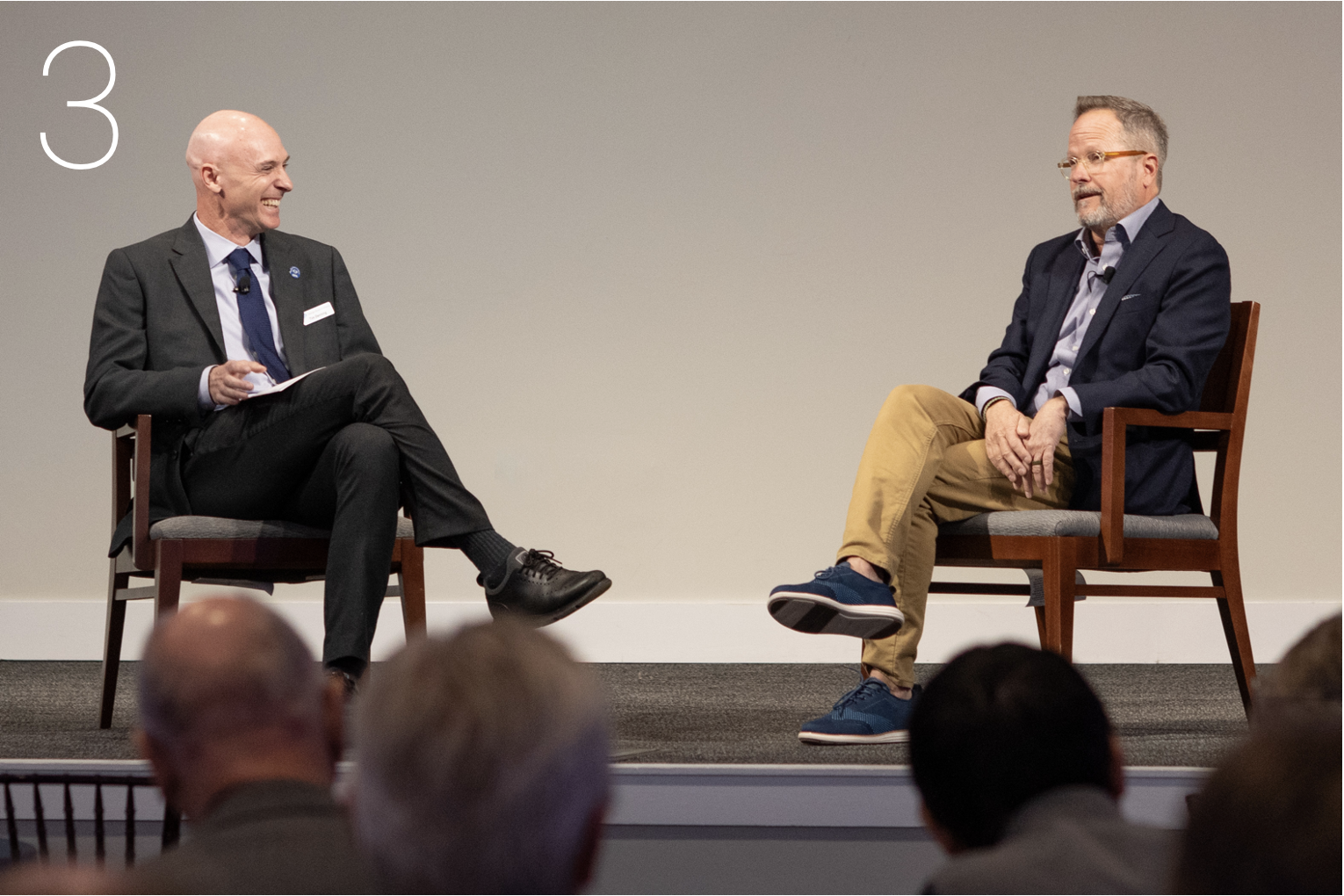
“Every one of you is working in an economic engine that potentially has far greater impact than a new manufacturing plant,” Chris Clark told the Academy. The president and CEO of the Georgia Chamber said the greatest challenge is communicating the workings and value of university innovation. “Chambers around the country are trying to tell the story of university innovation… because when IP leaves [campus] and impacts lives, that’s superhero stuff.” • Access the Georgia Chamber’s innovation report >
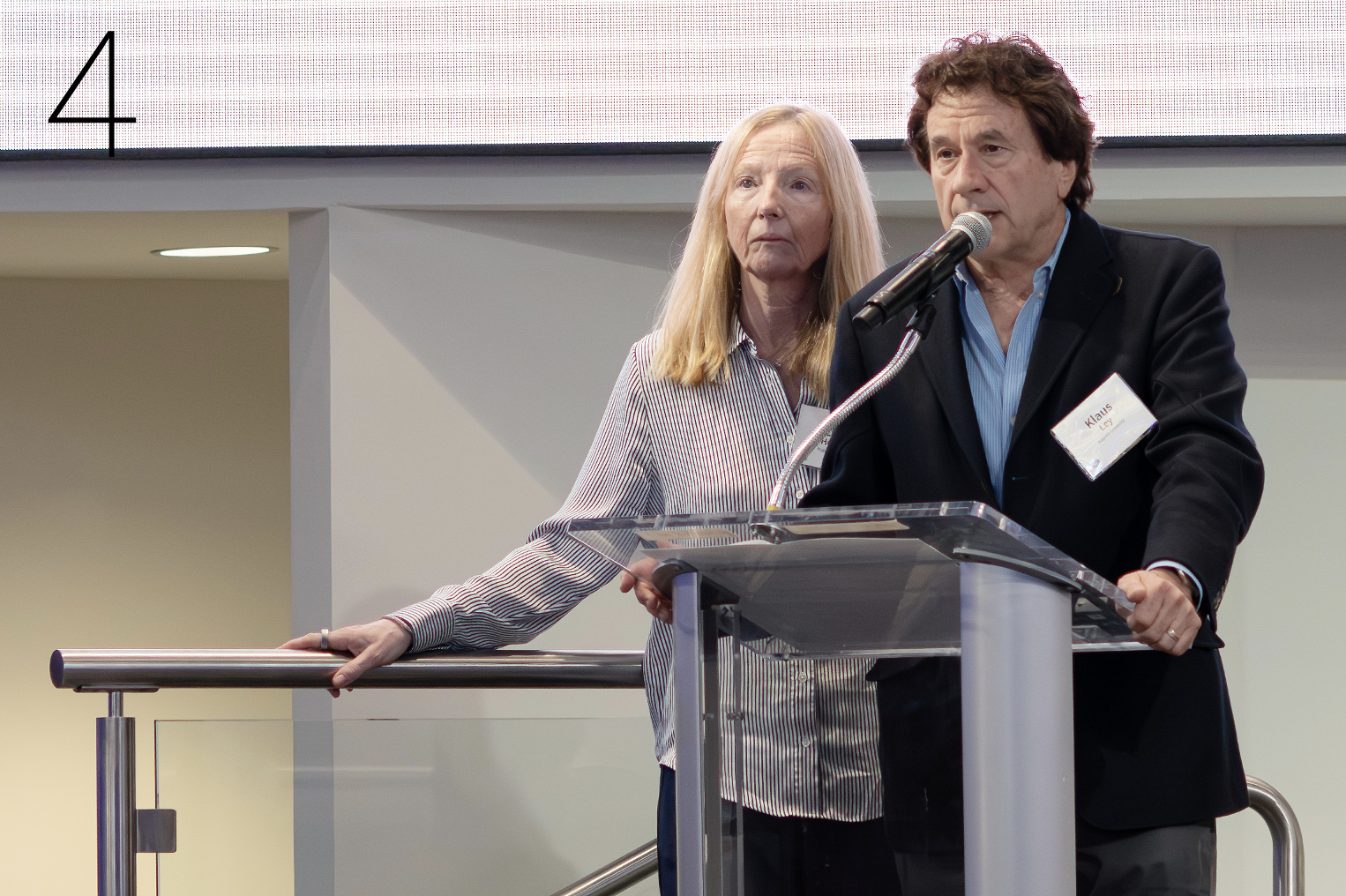
GRA Eminent Scholars Klaus Ley and Lynn Hedrick recounted how they’re emphasizing communication in the Immunology Center of Georgia, which they launched in 2022. Through “coffee hours” and media appearances, they engage the Augusta community with stories on how the immune system affects health. “We’re also finalists for a community foundation grant to provide communication training for all of our scientists,” Hedrick said. • Visit the IMMCG website >
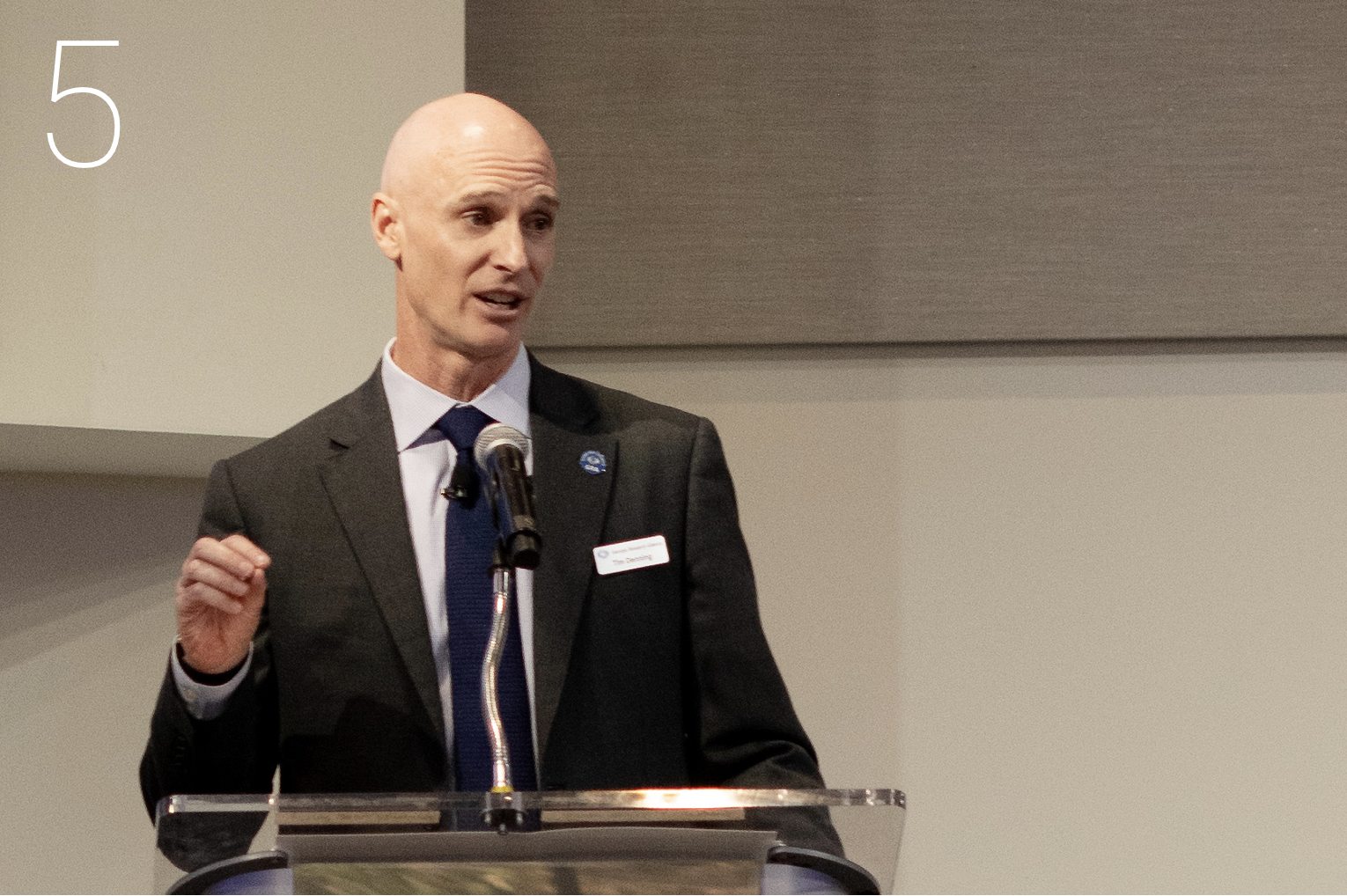
Through GRA, Georgia has invested more than $30 million in advanced technologies for university labs in the last five years, reported GRA President Tim Denning. That investment has made Georgia researchers more competitive in their pursuit of public and private research grants.
Georgia universities now attract more than $3 billion in research dollars annually (rising from #12 to #8), and a GRA agreement makes it easy for scientists to share their equipment. “We now need to think boldly about adding cutting-edge equipment,” Denning told the gathering. He added that the sharing of facilities and equipment through the GRA Core Exchange generates even greater ROI on the state's investment in lab tech.
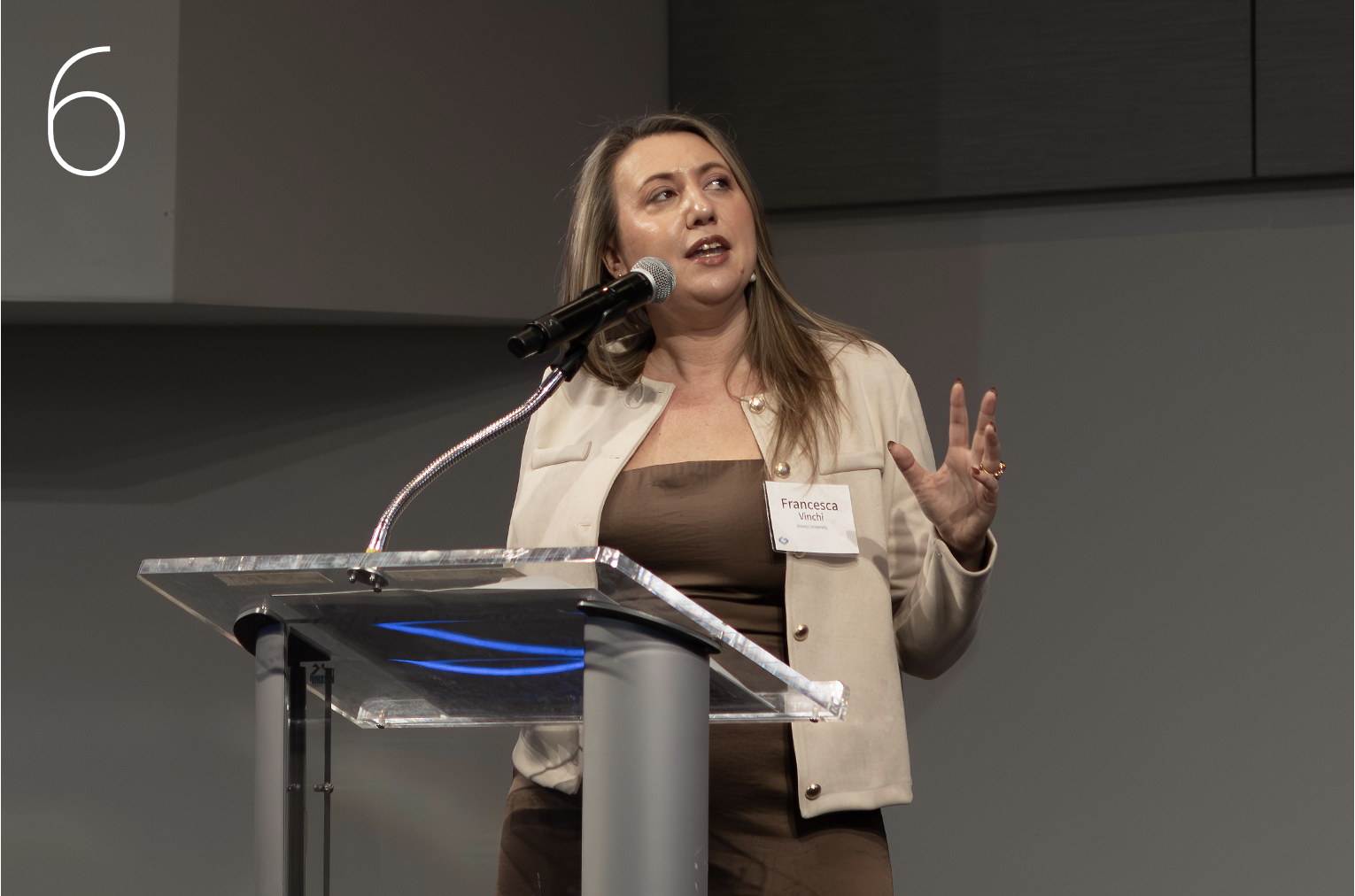
The symptom is acute vaso-occlusive crisis, and it’s often sudden and severe. But for the first time, a new drug treatment is being evaluated in human clinical trials, explained GRA Distinguished Investigator Francesca Vinchi.
The potential treatment – CSL889, human hemopexin – prevents heme from accumulating in the blood and ultimately triggering inflammation. Vinchi demonstrated how her research provided the foundation for hemopexin’s ability to limit the toxic effects of excessive heme in the blood. • More on Vinchi’s research >
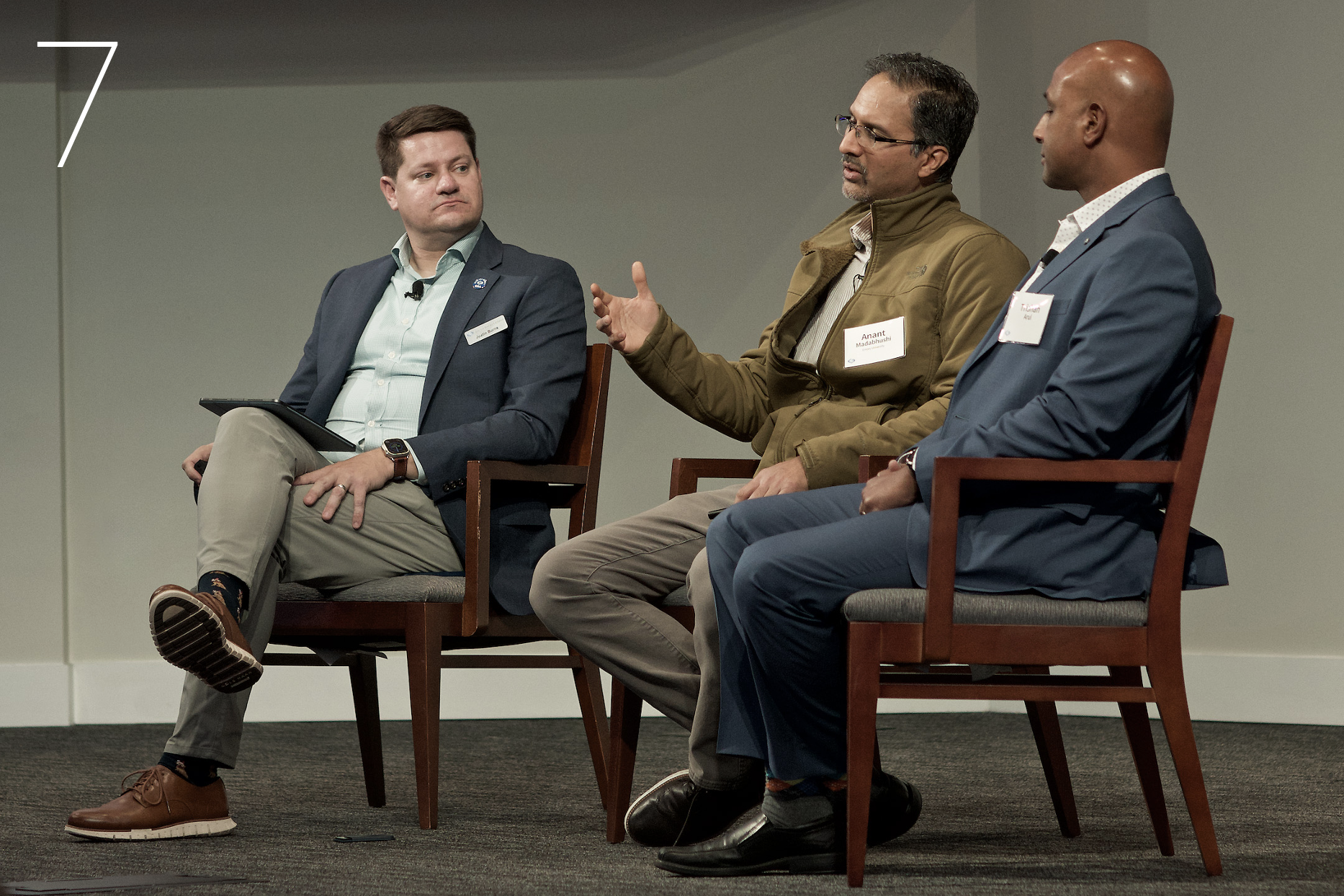
A scientist’s invention or discovery may precipitate the launch of a company, but a seasoned leader is critical from that point on. That advice came from Trishan Arul and Anant Madabhushi in a case study panel discussion on their enterprise, Picture Health.
Moderator Justin Burns (GRA) asked the duo to name one thing a faculty member should think about after recognizing the commercial potential of a discovery. “Find the right partner,” advised Arul, the CEO of Picture Health. “You have to be willing to cede control,” agreed Emory University’s Madabhushi, whose research into multimodal imaging and AI biomarkers led to the launch of Picture Health. “So, you need to find someone who will eat, sleep and drink the company into the future, while you continue on with your research.”
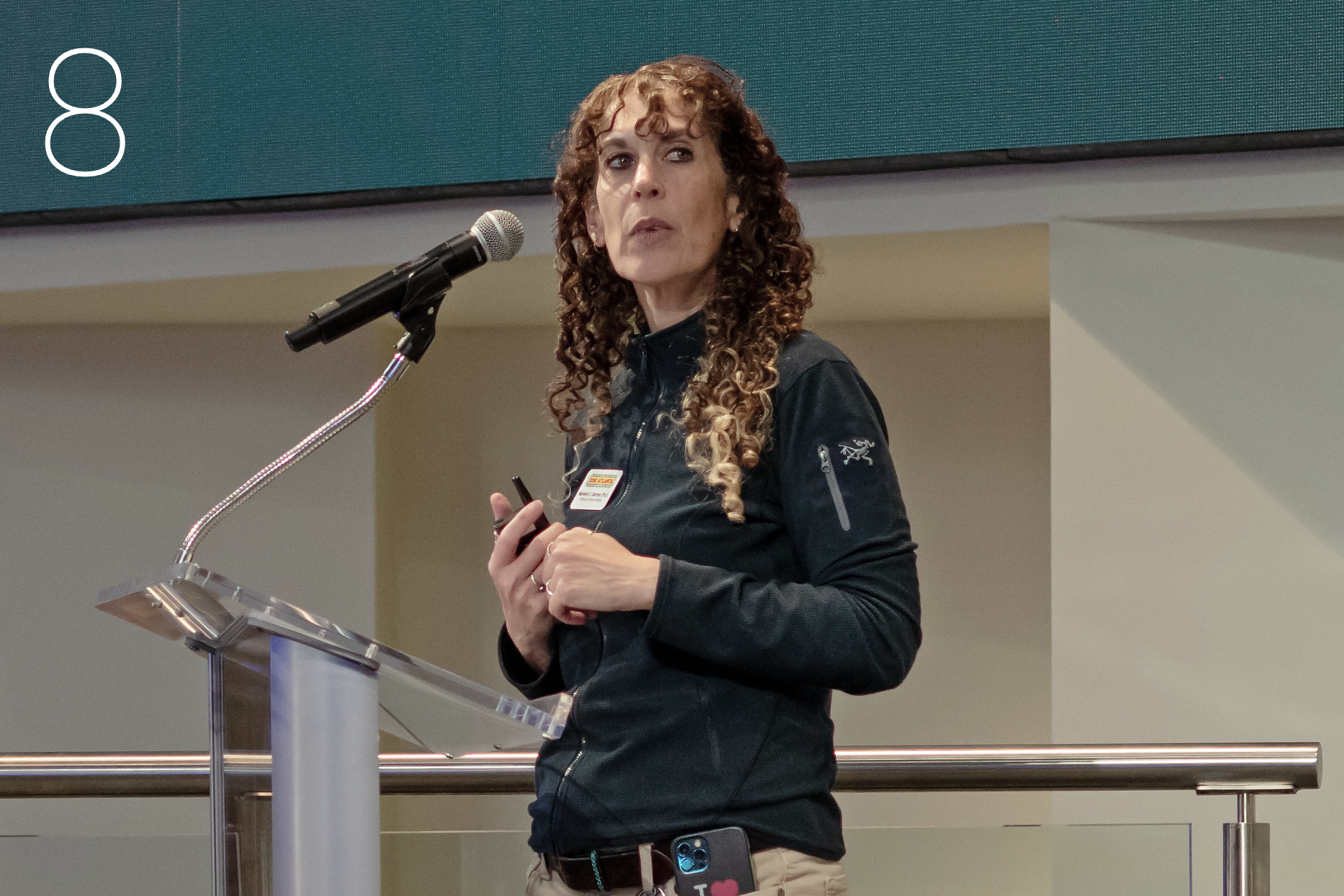
Both can be determined through tests, said Marieke Cassia Gartner, Zoo Atlanta’s director of animal welfare. Her presentation explored some of the emotional dimensions of good health in animals – such as their sense of control or how they experience seasonal weather.
The degree to which animals are optimistic or pessimistic can be measured through cognitive tests, and a video she shared demonstrated this in cockatiels. “When we understand more about the animals we care for, we know how to care for them better,” Gartner explained.
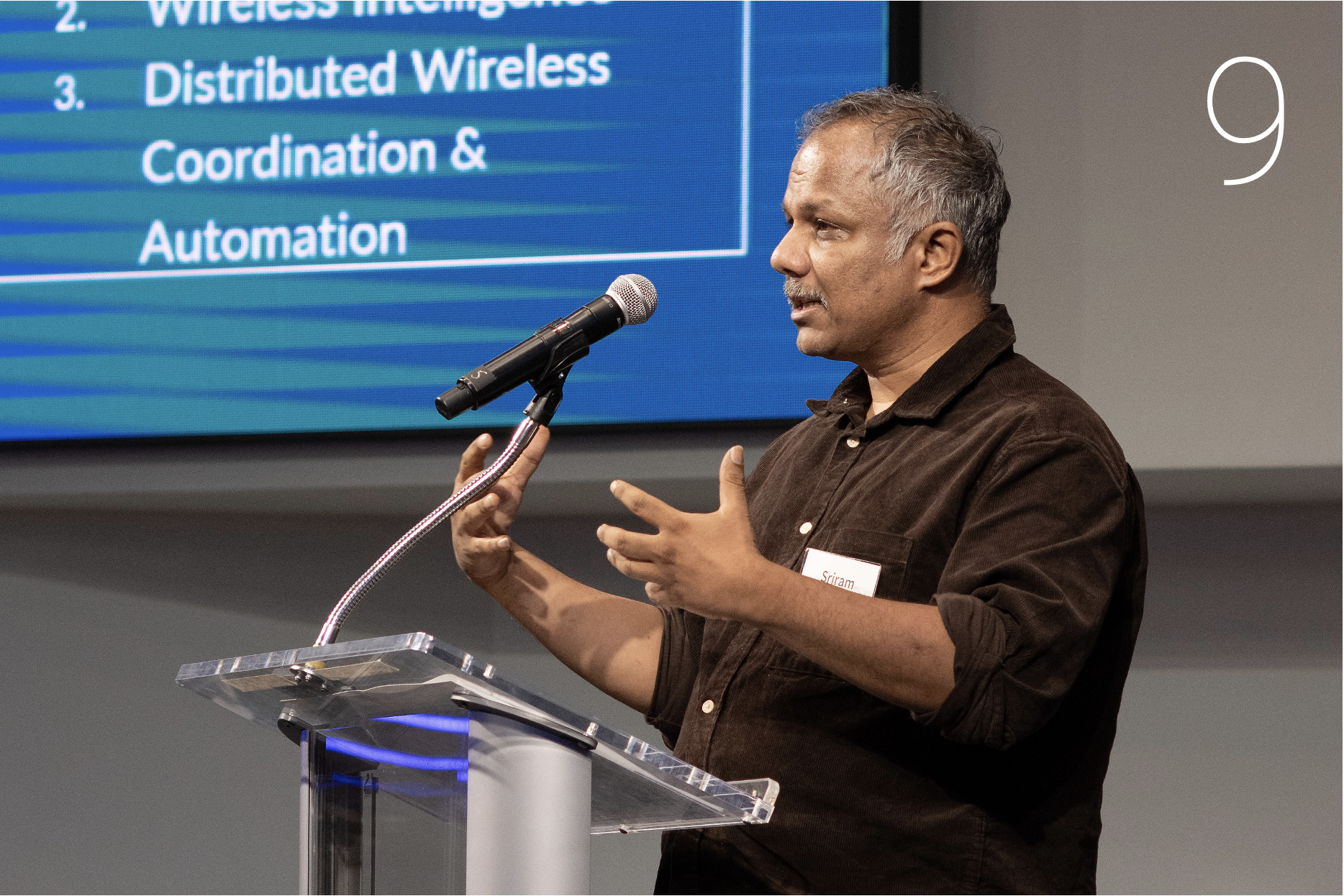
As 5G wireless systems continue to roll out, much work is being done on 6G wireless, which could end up being 100 times faster than 5G at its peak. One of the nation’s most sophisticated testbeds for 6G is located here in Georgia, said Sriram Vishwanath, a GRA Eminent Scholar at Georgia Tech.
“The testbed is designed to show and tell how 6G works,” Vishwanath said, adding that its platform will ultimately speed integration of digital technology into physical systems (think: buildings, energy grids, transportation networks). The Center for Wireless Intelligence (CWI), which Vishwanath co-founded, is building and operating the testbed. • More on Sriram Vishwanath >
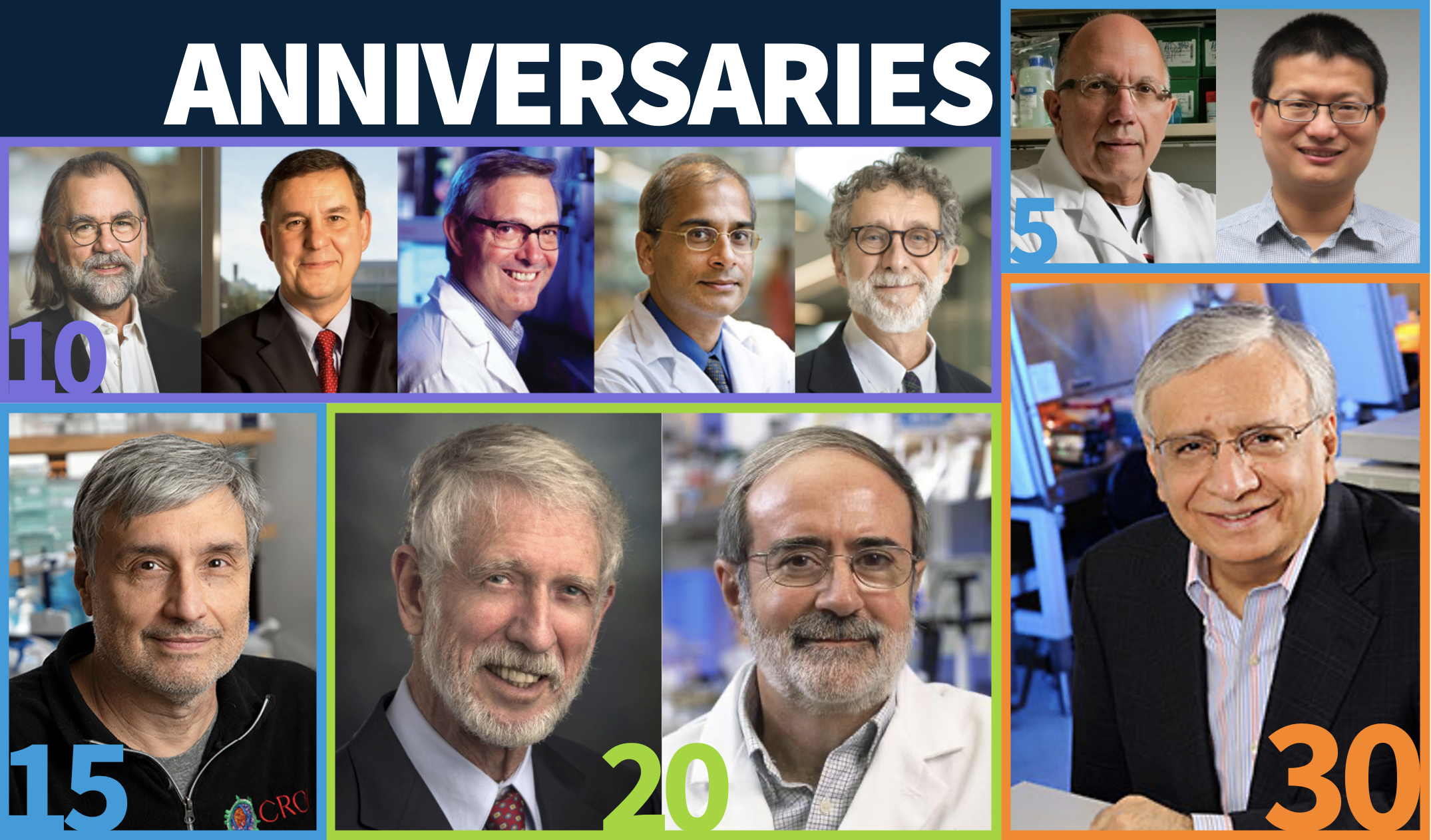
GRA’s efforts to help universities bring top scientists to Georgia is a long-term investment. The vast majority of those scientists spend years, even decades, in Georgia – as evidenced by the anniversaries celebrated each year at the GRA Academy.
This year brought the 5-year anniversay of Academy members Rafick Sekaly and Rui Kong at Emory; and the 10-year anniversary of five Eminent Scholars – Art Edison and Bob Haltiwanger at UGA, Ravi Kane and Stas Emelianov at Georgia Tech and Eric Sorscher at Emory.
Guido Silvestri marked year 15 at Emory, and Jim Cox (Georgia State) and Roberto Docampo (UGA) reached the 20-year milestone.
Topping it off – Rafi Ahmed celebrated his 30th anniversary as a GRA Eminent Scholar at Emory. Ahmed was recruited to launch the Emory Vaccine Center, which so far has brought nearly $3 billion in research grants and contracts to the state.
Importantly, these and other Academy members prepare future scientists to advance knowledge and move humanity toward new answers to problems. Their investment in the next generation of scholarly talent is a part of their legacy.