

It’s not unusual for brilliant scientists from a single field of study to come together, say at a conference. But the annual gathering of the GRA Academy of Scholars is quite different: Researchers share findings and perspectives from many different disciplines and specializations.
With the 2026 gathering, held Nov. 11 inside Zoo Atlanta’s Savanna Hall, variety again held the day. The assembled GRA Eminent Scholars, Distinguished Investigators and Senior Fellows were introduced to topics ranging from the maturation of endosomes to how to tell whether a panda is happily settling into a new environment.
Here’s some of what Academy members heard that afternoon:
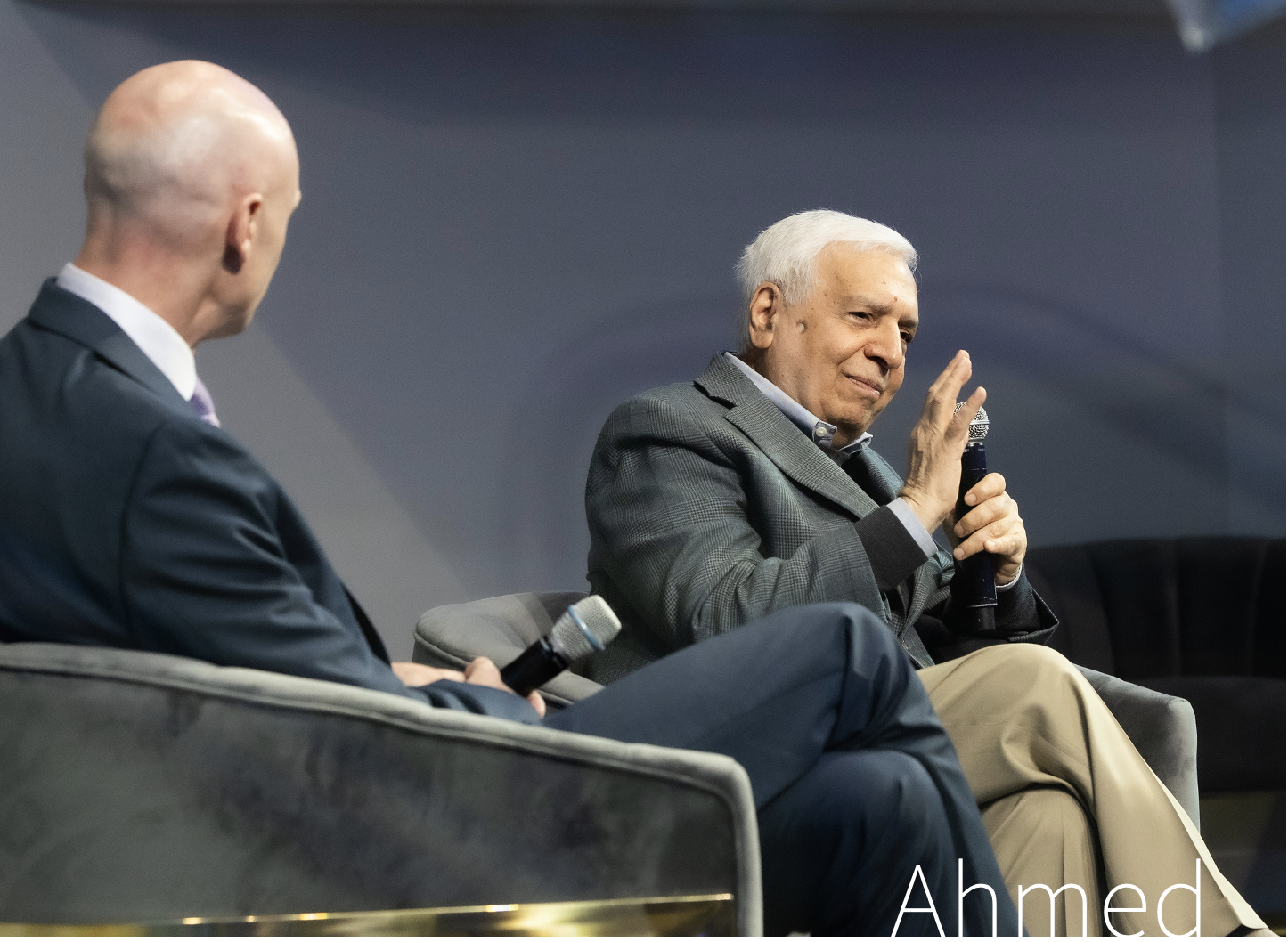
— Rafi Ahmed, GRA Eminent Scholar at Emory, describing the decision he made in 1995 to move his research to Georgia from UCLA. One of the very first Eminent Scholars, Ahmed was recruited to start the Emory Vaccine Center, a unique academic-based vaccine research enterprise. Three decades later, the center employs 250 researchers and staff and has brought in nearly $2 billion in grants. • More on Rafi Ahmed >
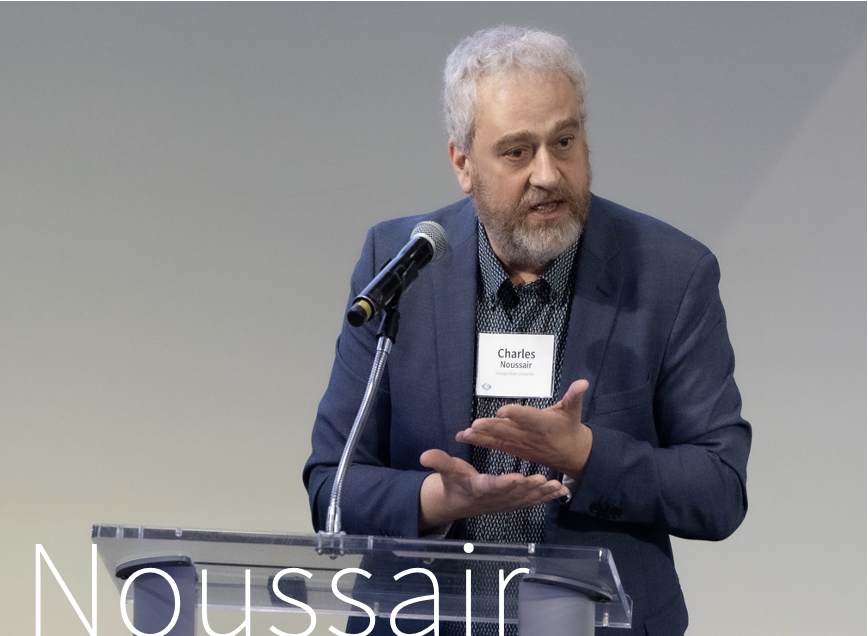
— Charles Noussair, GRA Eminent Scholar at Georgia State, in a presentation of his Experimental Economics Center. The lab conducts a wide range of experiments to simulate real-world conditions, using such tools as AI, virtual reality and facial analysis technology. Topics Noussair and colleagues have studied include which auctions are best at generating money and how discrimination influences consumer behavior. • More on Charles Noussair >
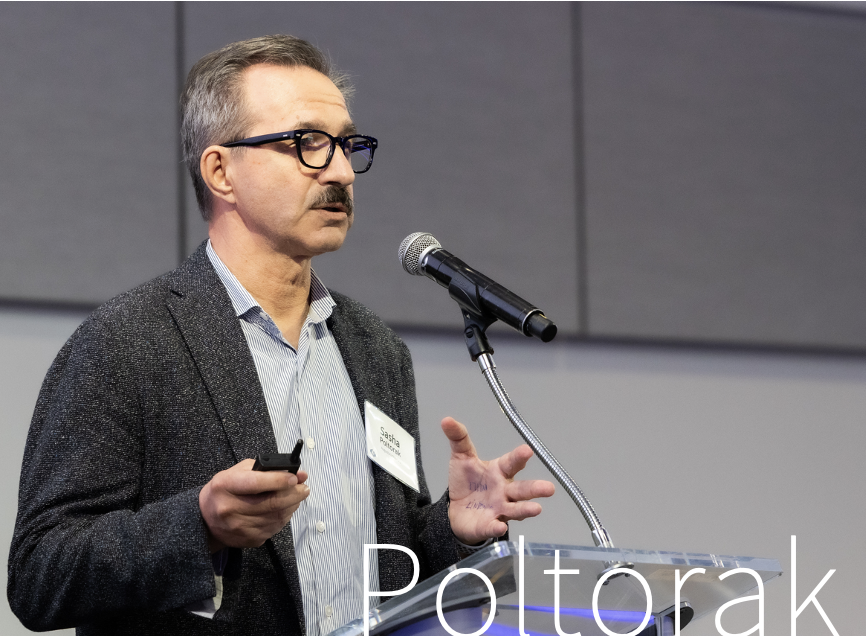
— Alexander “Sasha” Poltorak, GRA Eminent Scholar at Augusta University. Poltorak was referencing cell senescence, an increasingly important area of research in aging, immunology, cancer and chronic disease. His lab explores this biological process, in which cells stop dividing but remain alive and biologically active. • More on Sasha Poltorak >
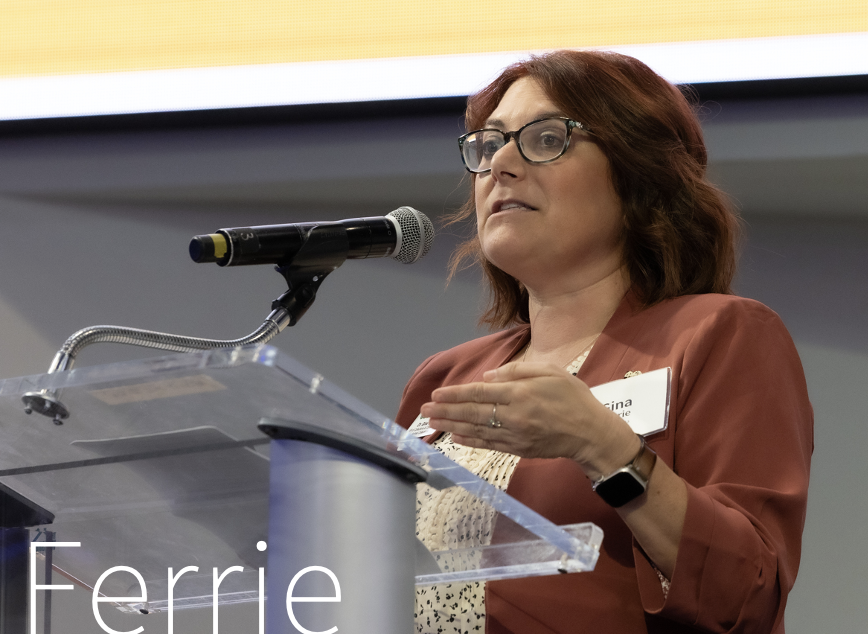
— Gina Ferrie, VP of collections and conservation at Zoo Atlanta. Ferrie shared details of the 2026 China-to-Atlanta odyssey for famed pandas Fu Shuang and Ping Ping as well as findings from Zoo Atlanta’s research into panda life. Ferrie said the Zoo’s Arthur M. Blank Panda Grove habitat is designed entirely around “panda biology.” • Visit the Panda Grove online >
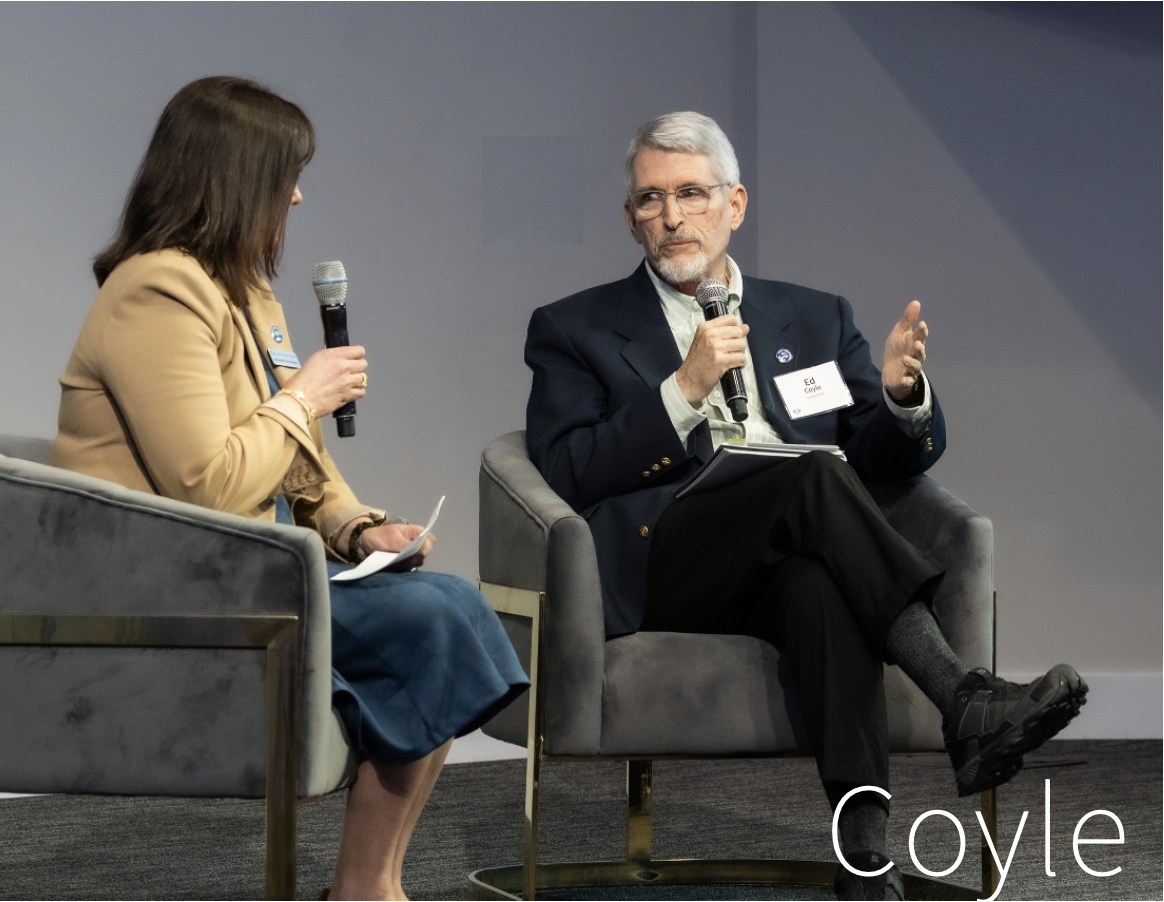
— Ed Coyle, GRA Eminent Scholar at Georgia Tech, on the Vertically Integrated Projects (VIP) program, a novel effort that gives undergraduates invaluable research experience. Sixty-five universities around the world – including eight in Georgia – use Coyle’s model, in which teams of undergrads, graduate students and faculty tackle real-world problems over many semesters (and sometimes years). • Learn about VIP >

— Liang Qiao, GRA Eminent Scholar at Georgia State. Qiao was introducing how he and colleagues developed a new kind of vaccine that protected mice from Zika virus infection. Traditional Zika vaccines bring antibodies that sometimes promote infection rather than stop it; Qiao’s vaccine instructed cells to create a broken-up version of an essential protein that allowed T cells to spot – and destroy – infected cells. • More on Liang Qiao >
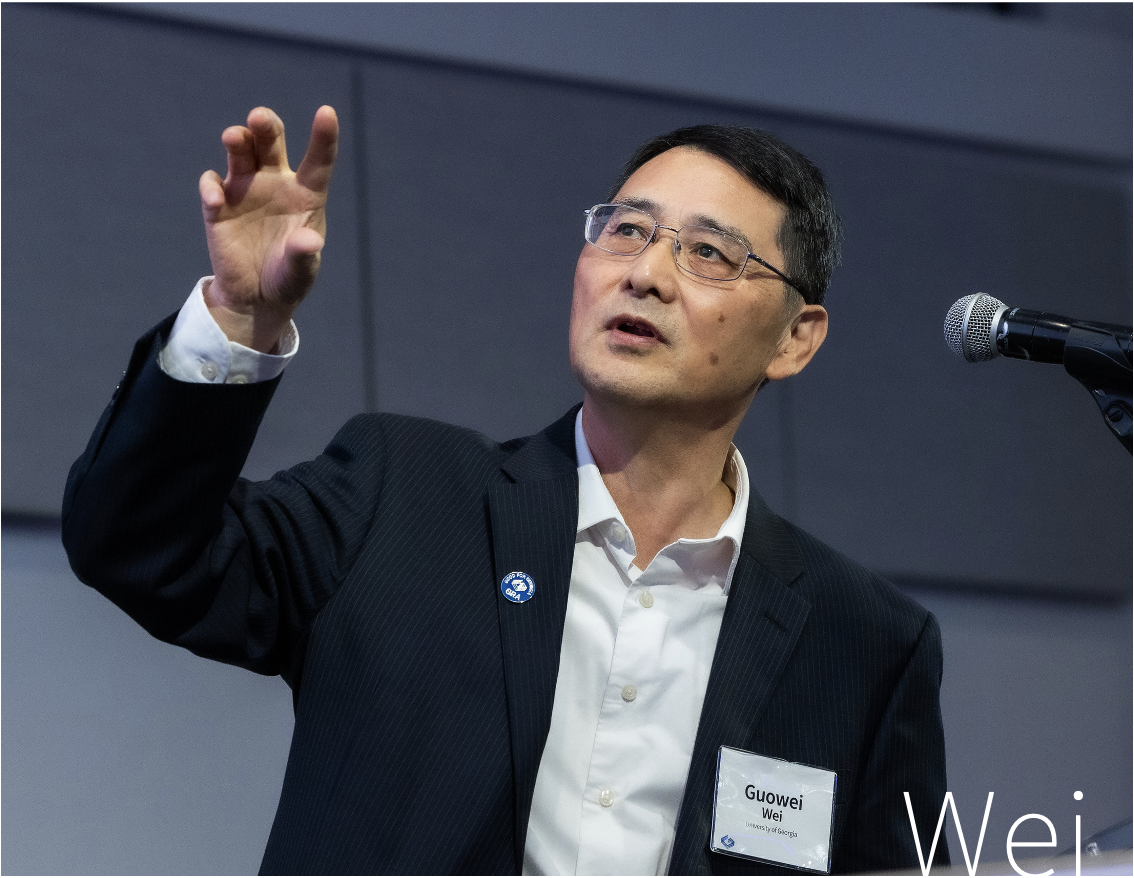
— Guowei Wei, GRA Eminent Scholar at UGA, presenting data that showed he and colleagues had determined the next dominant subvariant of the COVID virus. In early May 2022, Wei’s team used mathematics and AI to predict that two new versions of the Omicron variant, BA.4 and BA.5, would soon become most common. Two months later, the World Health Organization reported they were right. • More on Guowei Wei >
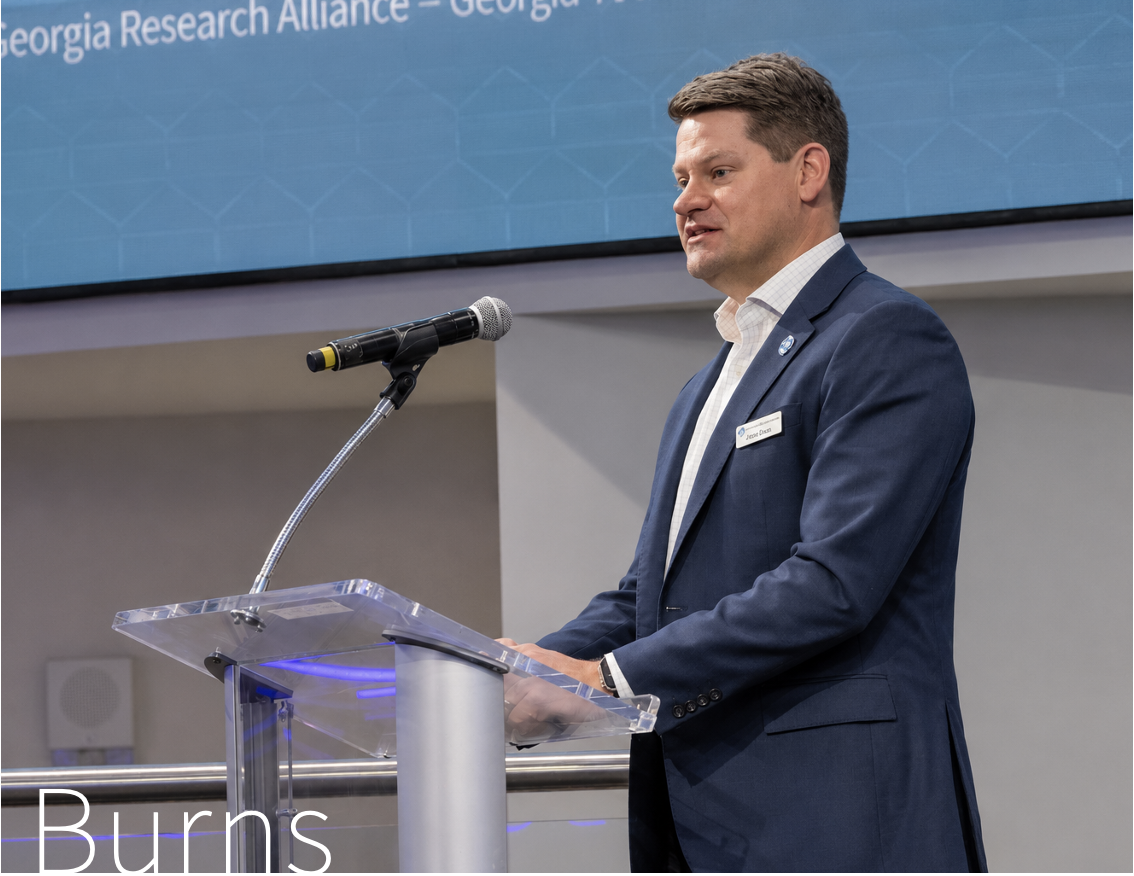
— Justin Burns, GRA’s chief innovation officer, as he took Academy members on a tour of improvements to GRA’s Innovation & Entrepreneurship program. The program has evolved its grant structure and application/review timetable as well as strengthened connections to the investor community. Burns noted that GRA-backed projects and startups have unlocked more than $3.2 billion in outside capital. • More about how I&E works >
— Karen Norris, GRA Eminent Scholar at UGA, sharing lessons learned from launching a startup company, NXT Biologics. Driven to fill a gap in protecting people from deadly fungal infections, Norris helped engineer a “pan fungal” vaccine that protects against the most prevalent strains. One lesson: NIH is an excellent resource for those seeking to move their research to the clinic. • More on Karen Norris >

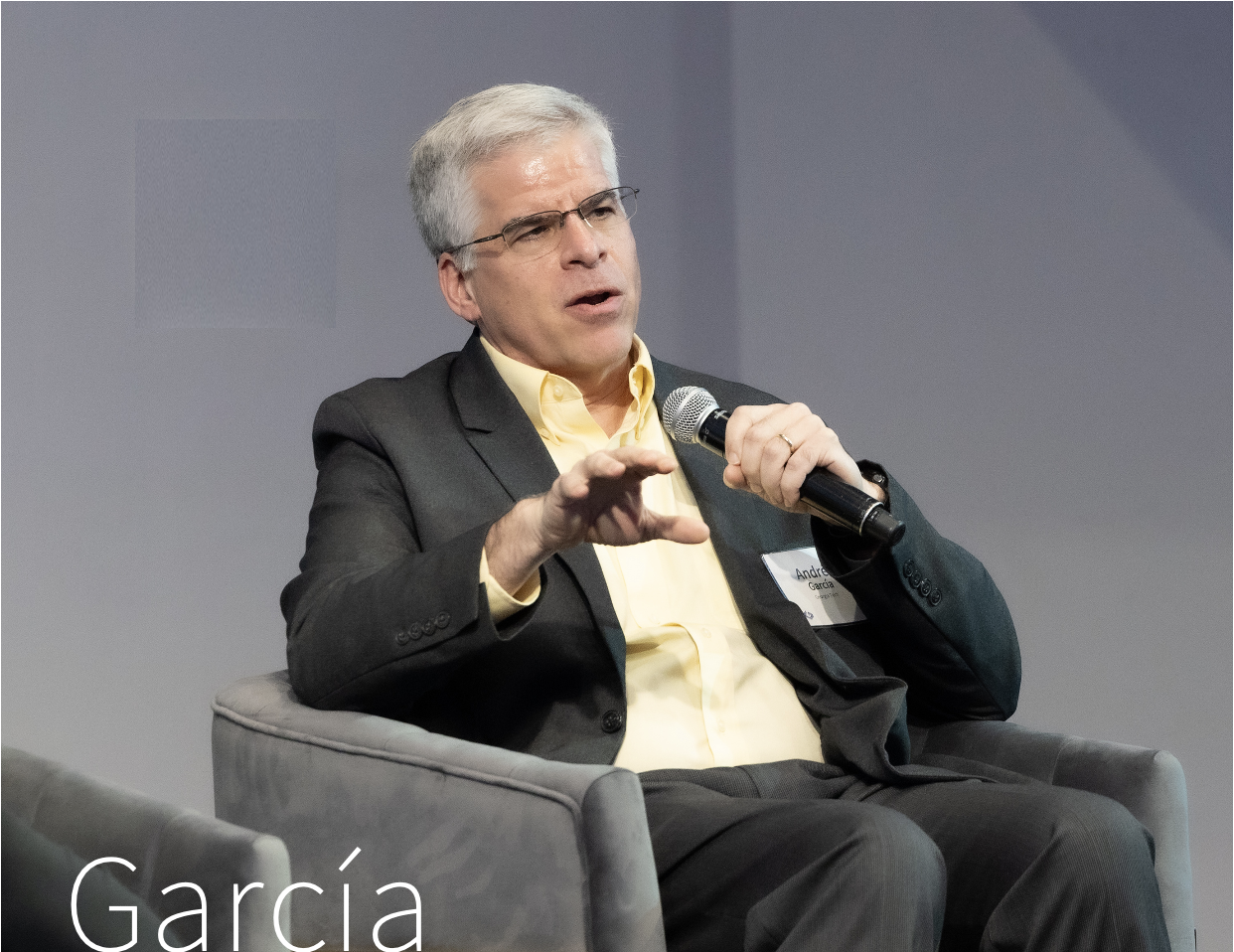
— Andrés García, GRA Senior Fellow and director of Georgia Tech’s Petit Institute for Bioengineering and Bioscience. Joining Norris and GRA’s Andrew Short for an onstage chat, García emphasized relationship building, rigorous customer discovery and prudent cost management as some of the keys to startup success. He should know: García has helped start and grow multiple companies. • More on Andrés García >
• Our thanks to our partners at Zoo Atlanta for welcoming and accommodating the GRA Academy of Scholars.